Audiology

Audiology & Hearing Care at XpertCare Clinic

Hearing affects far more than the ability to follow a conversation. It influences communication, learning, confidence, relationships and how comfortably you interact with the world around you. At XpertCare Clinic, our audiology services provide comprehensive hearing evaluation, tinnitus support, hearing-aid rehabilitation and device programming for adults and children.
Our approach is individualised rather than one-size-fits-all. From an infant requiring an age-appropriate hearing assessment to an adult experiencing gradual hearing loss, every patient receives an evaluation suited to their age, hearing needs and clinical circumstances.
Whether you need an audiometry test, advice about a hearing aid, support for tinnitus, or ongoing hearing rehabilitation, our audiology clinic focuses on practical recommendations and clear communication at every stage.

Comprehensive Audiology Services for Adults and Children

Hearing can change at any stage of life, and the right evaluation depends on the person being assessed. XpertCare Clinic provides different forms of audiometry and hearing assessment according to developmental stage and clinical requirements.

Our services include:
A detailed audiometry examination can help establish how well a person hears different sounds and speech, while other tests may provide additional information about the middle ear or communication abilities.
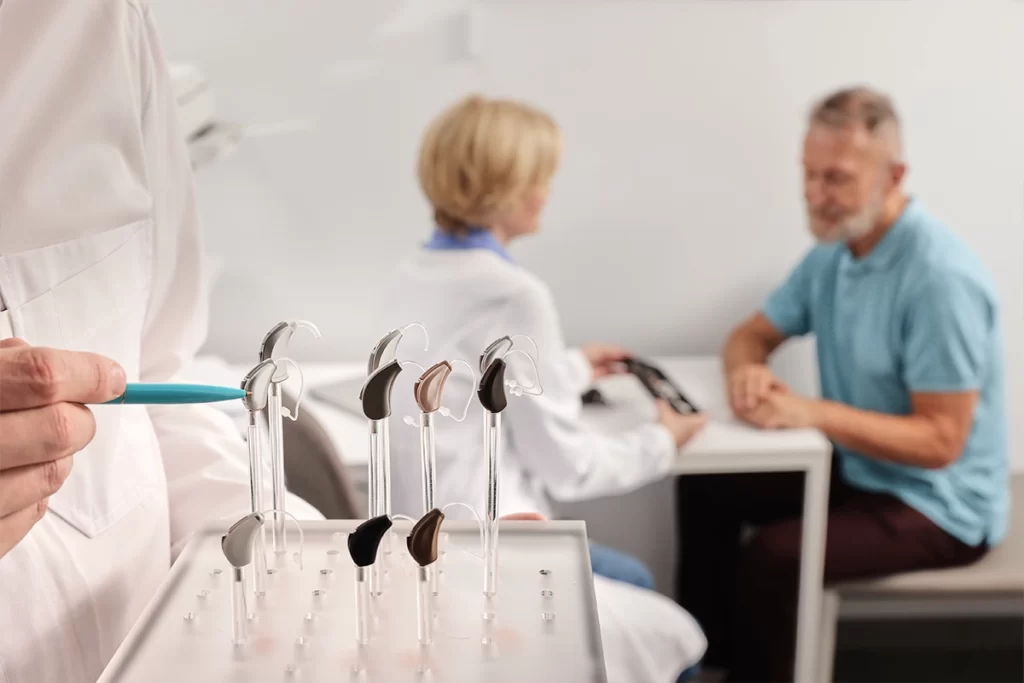
Patient consulting with a specialist at our audiology clinic for hearing loss
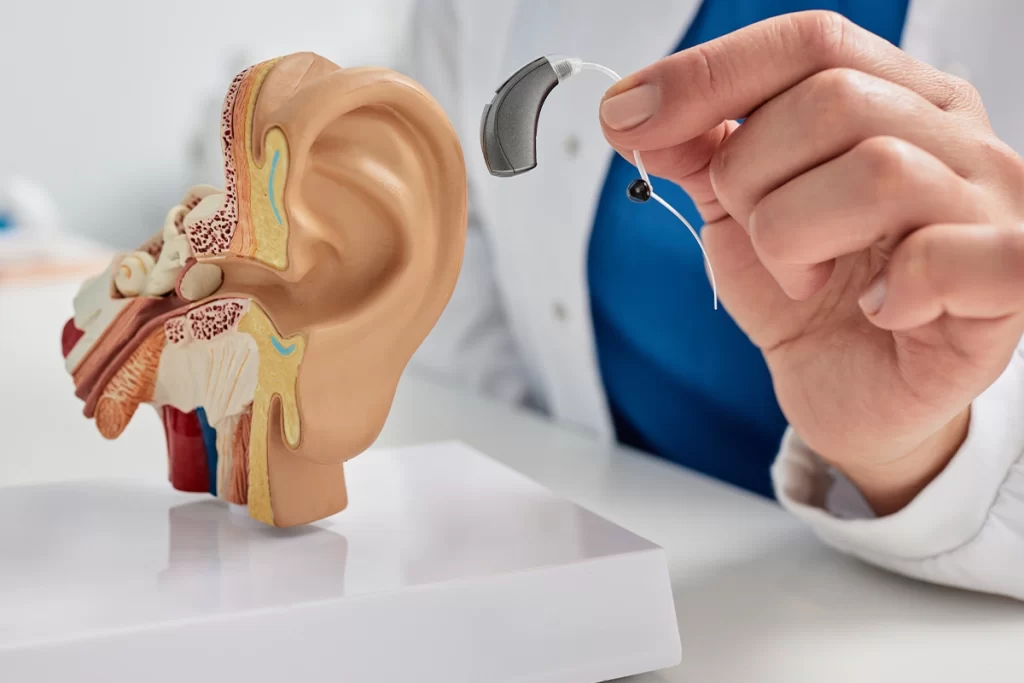
Audiologist conducting a comprehensive audiometry examination and test

What Is an Audiometry Test?

An audiometry test is a hearing examination audiologists use to determine a person’s hearing level. During an audiometry examination, the audiologist selects appropriate testing methods based on the patient’s age, developmental level and clinical needs.
For adults, adult audiometry may form an important part of a comprehensive hearing evaluation. Speech audiometry can also assess how well a person detects and understands speech.
For babies and young children, conventional testing methods may not always be suitable. Behavioural Observation Audiometry (BOA) can be used for very young patients when clinically appropriate.
Immittance testing provides information about middle-ear function and can complement other hearing assessments.
Rather than treating a hearing test as an isolated procedure, our audiology team considers the findings alongside the patient’s communication needs and everyday experiences.

Understanding Hearing Loss

Hearing loss can present in different ways. Some people notice that conversations sound unclear, while others may struggle to hear in noisy environments, frequently increase television volume, or ask others to repeat what they have said.
A hearing evaluation helps identify the individual’s hearing profile and provides a basis for discussing appropriate options.
For some patients, rehabilitation may involve hearing aid devices. Others may require additional assessment, specialist referral or implant-related programming and follow-up.
At XpertCare Clinic, recommendations are based on clinical suitability, lifestyle requirements and the patient’s individual circumstances rather than simply selecting the most advanced device available.

Hearing Aid Assessment, Fitting and Rehabilitation

A hearing aid can be an important part of hearing rehabilitation for people who may benefit from amplification. However, choosing a device is only one part of the process.
Our hearing-aid rehabilitation programme includes assessment, device selection, fitting and follow-up. Real-ear measurements can verify how the hearing aid performs relative to the individual’s hearing needs.
Objective verification helps assess device performance, while subjective feedback provides insight into how useful the hearing aid feels during everyday communication.
Follow-up appointments can allow the audiologist to make adjustments, address concerns and fine-tune the device as the patient becomes accustomed to amplification.

Hearing Aid Devices and Available Technology

Today’s hearing aid devices are available in several styles and technology levels. Depending on clinical suitability and availability, patients may explore Bluetooth-enabled, discreet and AI-powered solutions from established manufacturers.
Options may include:
Specific models and features are selected based on hearing requirements, lifestyle, availability, and personal preference. Not every device suits every patient, which is why professional assessment remains an important part of hearing-aid selection.
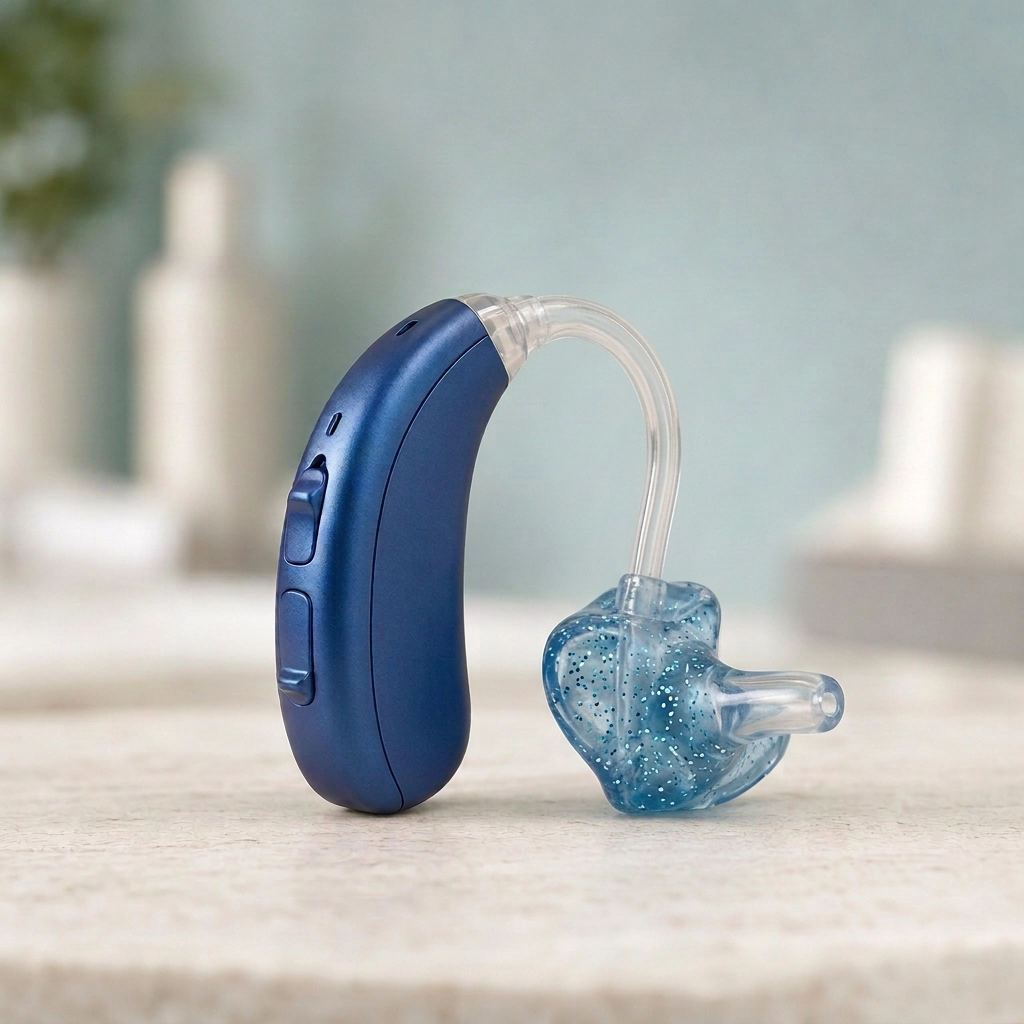
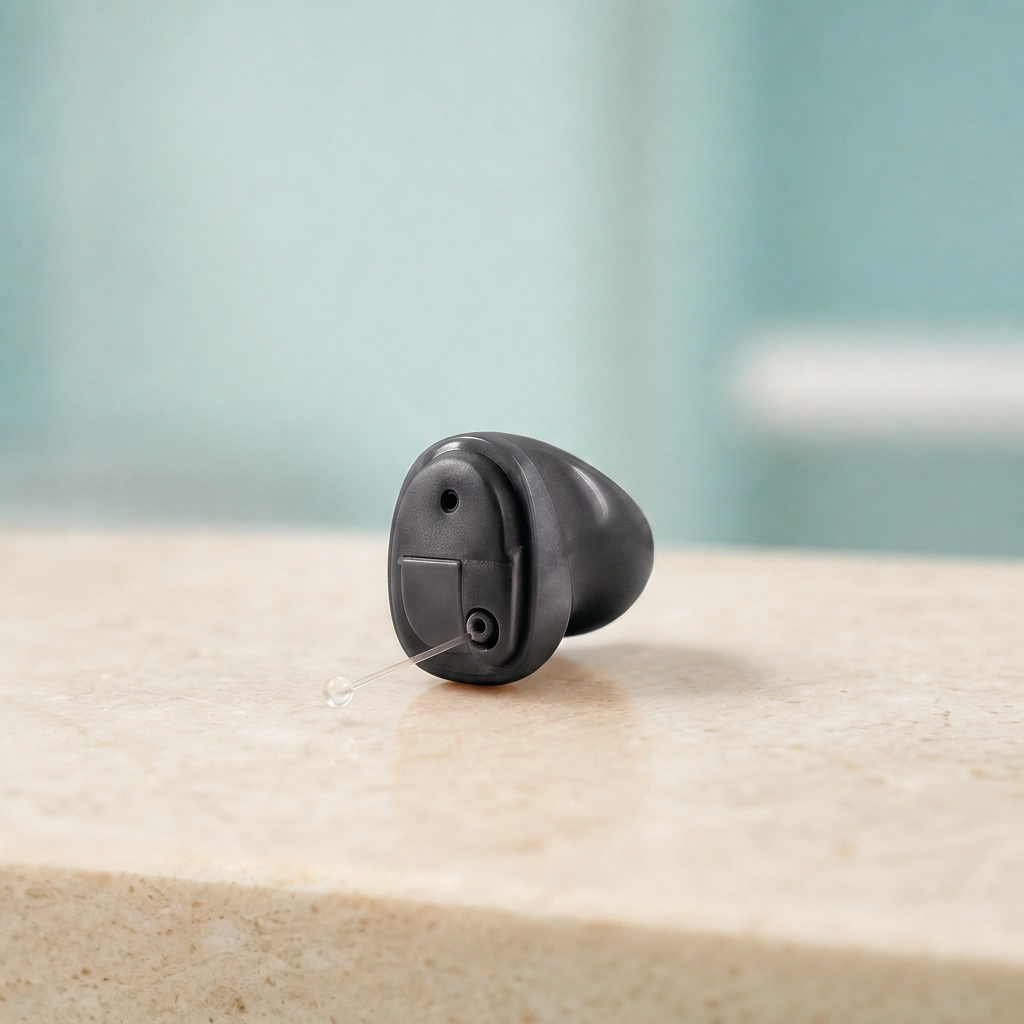
Common hearing aid styles include:
Advanced hearing aid devices including Phonak hearing aids and Starkey Labs technology
Audiology expert discussing tinnitus causes and personalized tinnitus treatment options

Tinnitus Assessment and Treatment

Tinnitus is commonly described as hearing a sound—such as ringing, buzzing or another noise—without an external sound source producing it. It can be temporary or persistent and may affect concentration, sleep, communication or general wellbeing.
Understanding the possible causes of tinnitus is an important part of evaluating the condition. Tinnitus can occur alongside hearing loss, although the two do not always have the same underlying cause.
At XpertCare Clinic, tinnitus treatment and support are tailored to the individual’s symptoms and circumstances. Depending on clinical needs, tinnitus care may include counselling and structured approaches such as Cognitive Behavioural Therapy (CBT) or Tinnitus Retraining Therapy (TRT).
The goal is not simply to provide generic advice. Our tinnitus support focuses on helping patients understand their symptoms and identify strategies to manage their impact.

Cochlear and Middle-Ear Implant Programming

Audiology care can extend beyond conventional hearing aid devices. Patients using cochlear implants or middle-ear implants may require programming, adjustments and continuing professional support.
XpertCare Clinic provides cochlear implant mapping and middle-ear implant programming tailored to individual requirements. Follow-up can help ensure that device settings remain appropriate as hearing needs, listening demands or patient feedback change.

Clear Guidance for Patients and Families

Hearing concerns can raise questions for both patients and their families. Our audiology clinic places importance on explaining findings in clear, understandable language.
After an audiometry test or other hearing evaluation, we discuss results with the patient and, where appropriate, family members or referring clinicians. Next steps may include monitoring, hearing rehabilitation, hearing aid fitting, tinnitus support, or further clinical management.
Our focus is straightforward: understand the hearing concern, explain the findings clearly and provide practical options that fit the individual’s needs.

Why Choose XpertCare Clinic for Audiology?

XpertCare Clinic provides hearing services for adults and children with an emphasis on individualised assessment and rehabilitation.
From audiometry and speech testing to tinnitus treatment, hearing-aid fitting, and implant programming, our services address different stages of hearing care.
If you or your child is experiencing possible hearing loss, persistent tinnitus, difficulty understanding speech or uncertainty about hearing aid devices, a professional hearing evaluation can provide useful clarity.
Contact XpertCare Clinic to arrange an audiometry examination and discuss the most appropriate audiology service for your needs.

Frequently Asked Questions

What is an audiometry test?

An audiometry test examines how well a person detects different sounds and, when appropriate, responds to speech. The specific method depends on the patient’s age, developmental stage and clinical requirements.
An audiometry examination may be appropriate when you notice difficulty hearing conversations, frequently ask people to repeat themselves, experience tinnitus, or have concerns about possible hearing loss. The appropriate timing depends on the individual’s circumstances.
There are several possible causes of tinnitus, and it may occur with or without hearing loss. A professional evaluation can help determine what further assessment or support may be appropriate.
No. The need for a hearing aid depends on the person’s hearing profile, communication requirements and clinical circumstances. An audiologist can explain whether amplification may be beneficial.
Hearing aid devices come in different designs and technology levels. Depending on suitability and availability, options may include Phonak hearing aids, ReSound and devices from Starkey Labs.
Tinnitus treatment depends on the individual’s symptoms and circumstances. Support may include counselling and structured approaches such as CBT or TRT where clinically appropriate.
An audiology clinic provides hearing-related assessment and rehabilitation services. These may include audiometry, speech testing, hearing-aid fitting, tinnitus support, implant programming and follow-up.

Our Doctors

Book Appointment