
Radiology
- Homepage
- Specialities
- Radiology
Advanced Diagnostic Imaging at XpertCare Clinic
Professional Radiology and Diagnostic Imaging Services
Modern healthcare relies on accurate diagnostic information. When symptoms cannot be fully evaluated through a physical examination or laboratory testing alone, medical imaging can provide important information about internal structures and help physicians assess a wide range of conditions.
At XpertCare Clinic in Dubai Healthcare City, our radiology services support doctors in evaluating, diagnosing, and monitoring medical conditions through appropriate diagnostic imaging.
Medical radiology involves using imaging technology to examine structures within the body. Depending on the clinical requirement, different forms of radiology imaging may be used to assess bones, organs, soft tissues, blood vessels, and other anatomical structures.
Imaging is not automatically required for every symptom. A physician determines whether an examination is appropriate based on your medical history, symptoms, physical findings, and suspected condition.
What Is Radiology?
Radiology is the medical specialty concerned with diagnostic imaging and, in some areas, image-guided procedures.
Different imaging technologies provide different types of information.
Common forms of radiology imaging include:
- X-rays
- Ultrasound
- Computed tomography (CT)
- Magnetic resonance imaging (MRI)
- Other specialized imaging examinations
Each modality has different strengths and limitations. The most appropriate examination depends on what the physician needs to evaluate.
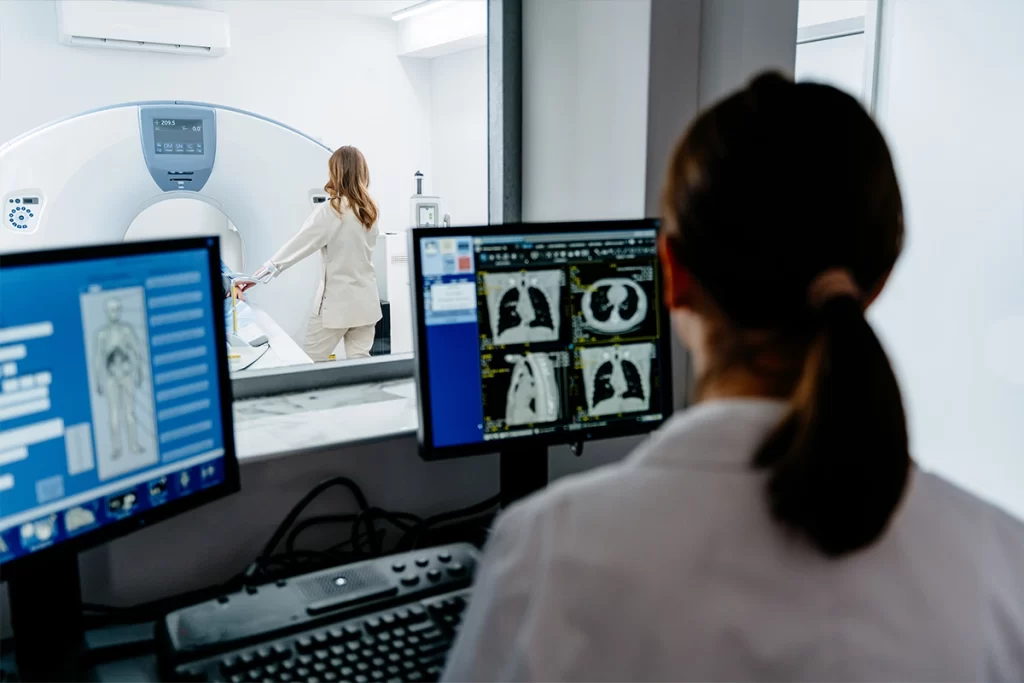
X-Ray Imaging
X-rays use a small amount of ionizing radiation to create images of structures inside the body.
X-rays are commonly used to evaluate:
- Bones and fractures
- Chest conditions
- Certain joint problems
- Some abdominal concerns
- Other areas depending on the clinical indication
X-rays are often useful because they are relatively quick and can provide valuable information about bones and certain internal structures.

When Might an X-Ray Be Recommended?
A doctor may request an X-ray following an injury, when evaluating certain respiratory symptoms, or when investigating another suspected condition.
symptoms, or when investigating another suspected condition.
The decision should be based on clinical need rather than convenience alone.

Ultrasound
Ultrasound uses high-frequency sound waves to create images of structures inside the body. It does not use ionizing radiation.
Ultrasound may be used to examine:
- Abdominal organs
- Pelvic structures
- Kidneys
- Bladder
- Thyroid
- Soft tissues
- Blood flow through certain vessels
- Pregnancy-related structures when clinically appropriate
Because ultrasound does not use ionizing radiation, it is widely used in many clinical settings.
CT Scans
Computed tomography, commonly known as CT, uses X-rays and computer processing to create detailed cross-sectional images.
CT scans can provide more detailed information than standard X-rays for certain medical conditions.
It may be used to evaluate:
- Trauma
- Abdominal conditions
- Chest conditions
- Certain vascular problems
- Kidney stones
- Head and neurological conditions
- Other conditions where cross-sectional imaging is appropriate
Because CT involves ionizing radiation, the examination should be performed when the expected diagnostic benefit justifies the exposure.
In some cases, contrast material may be used to improve visualization of specific structures.
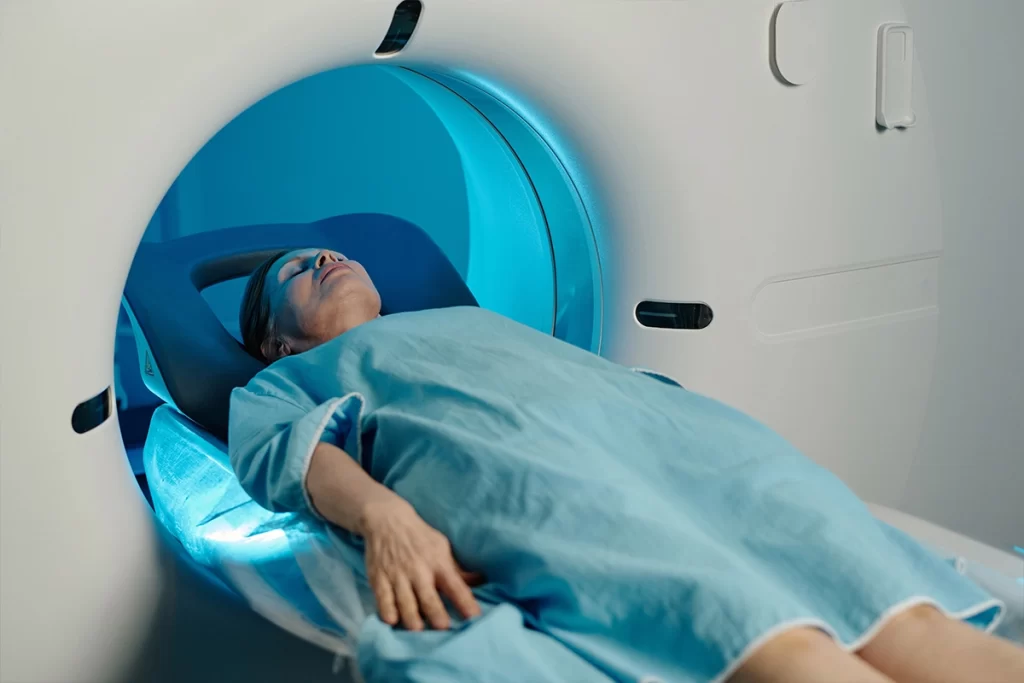

MRI
Magnetic resonance imaging uses magnetic fields and radiofrequency energy rather than ionizing radiation.
MRI can provide detailed images of:
- Brain
- Spine
- Joints
- Muscles
- Ligaments
- Soft tissues
- Certain abdominal and pelvic structures
- Blood vessels
MRI is particularly valuable when detailed soft-tissue information is required.
Patients should inform the imaging team about implanted medical devices, metal fragments, previous surgeries, and other relevant medical information before an MRI examination.
What Is Medical Radiology Used For?
Medical radiology supports the diagnosis and monitoring of numerous conditions.
Depending on the imaging modality, radiology can help doctors evaluate:
- Fractures
- Joint injuries
- Respiratory conditions
- Abdominal pain
- Kidney stones
- Gallbladder conditions
- Urinary problems
- Soft-tissue abnormalities
- Certain tumors or masses
- Vascular conditions
- Neurological problems
Imaging may also be used to monitor known conditions or evaluate how a patient is responding to treatment.
Radiology and Women’s Health
Radiology plays an important role in evaluating many women’s health concerns.
Depending on the clinical indication, ultrasound and other forms of radiology imaging may be used to examine pelvic organs and investigate symptoms such as pelvic pain, abnormal bleeding, or other gynecological concerns.
Pregnancy-related imaging should always be performed in accordance with appropriate medical guidance.
Radiology and Men’s Health
Diagnostic imaging can also support the evaluation of men’s health concerns.
Depending on the symptoms, ultrasound and other imaging examinations may help assess the urinary system, including the kidneys, bladder, testes, prostate region, and other structures.
The physician will determine the most appropriate examination based on the patient’s symptoms and clinical findings.
Preparing for Radiology Imaging
Preparation depends on the type of examination.
There are examinations that do not need special preparation, but some others may need to do any of the following:
- Fasting
- Drinking water
- A full bladder
- Avoiding certain foods or medications
- Changing into appropriate clothing
- Removing jewelry or metal objects
If contrast material is required, the imaging team may ask about allergies, kidney function, medications, and previous reactions to contrast agents.
Always follow the preparation instructions provided for your specific examination.
Is Radiology Safe?
The safety of radiology depends on the imaging modality.
X-rays and CT scans use ionizing radiation, whereas ultrasound and MRI do not.
Medical imaging is generally requested when the expected diagnostic benefit outweighs potential risks. Imaging professionals use appropriate protocols to minimize unnecessary radiation exposure.
Women who are pregnant or may be pregnant should inform their doctor and imaging team before examinations involving radiation.
Understanding Your Radiology Report
After the radiology imaging is performed, a radiologist or an appropriate imaging specialist reviews the images and prepares a report.
The report is then provided to the referring physician, who interprets the findings alongside your symptoms, examination, laboratory results, and medical history.
Patients should avoid interpreting isolated imaging findings without medical context. An abnormal finding does not automatically mean cancer or another serious disease, and some findings may be incidental.
Your doctor can explain what the results mean and whether additional testing or treatment is required.
Why Choose XpertCare Clinic for Radiology?
At XpertCare Clinic, our radiology services support physicians by providing appropriate diagnostic information while giving patients convenient access to imaging within a healthcare setting.
Our approach emphasizes:
- Clinically appropriate imaging
- Professional imaging services
- Patient-focused communication
- Appropriate examination preparation
- Integration with medical consultations
- Coordination with other specialties
- Convenient Dubai Healthcare City location
Our aim is to ensure that radiology imaging serves a clear clinical purpose and contributes useful information to your overall care.
Frequently Asked Questions
What is radiology?
Radiology is the medical specialty involving diagnostic imaging and, in some cases, image-guided procedures. It helps physicians examine internal body structures.
What is medical radiology?
Medical radiology refers to the use of imaging techniques to assist in the diagnosis, evaluation, and monitoring of medical conditions.
What types of radiology imaging are available?
Depending on clinical requirements, radiology imaging can include X-rays, ultrasound, CT, MRI, and other specialized examinations.
Is an X-ray safe?
X-rays use ionizing radiation, but the amount used for diagnostic imaging is controlled and kept as low as reasonably achievable. The examination should be performed when medically appropriate.
Does an ultrasound use radiation?
No. Ultrasound uses sound waves rather than ionizing radiation.
Does MRI use radiation?
MRI does not use ionizing radiation. It uses magnetic fields and radiofrequency energy to produce images.
Do I need a doctor’s referral for radiology imaging?
The requirement can depend on the specific examination and applicable clinical and regulatory requirements. Your doctor can advise which imaging examination is appropriate for your condition.
Can radiology detect cancer?
Some imaging examinations can identify masses or other findings that may be associated with cancer. However, imaging alone does not always establish a cancer diagnosis. Additional investigations, such as laboratory tests or tissue sampling, may be required.
Should I tell the radiology team if I am pregnant?
Yes. Always inform your doctor and imaging team if you are pregnant or think you may be pregnant, particularly before examinations involving ionizing radiation.
Where can I access radiology services in Dubai Healthcare City?
XpertCare Clinic provides radiology and diagnostic radiology imaging services in Dubai Healthcare City, subject to the specific examination required and clinical availability.